What Sets Advertising vs Marketing Apart In Building Business Success?
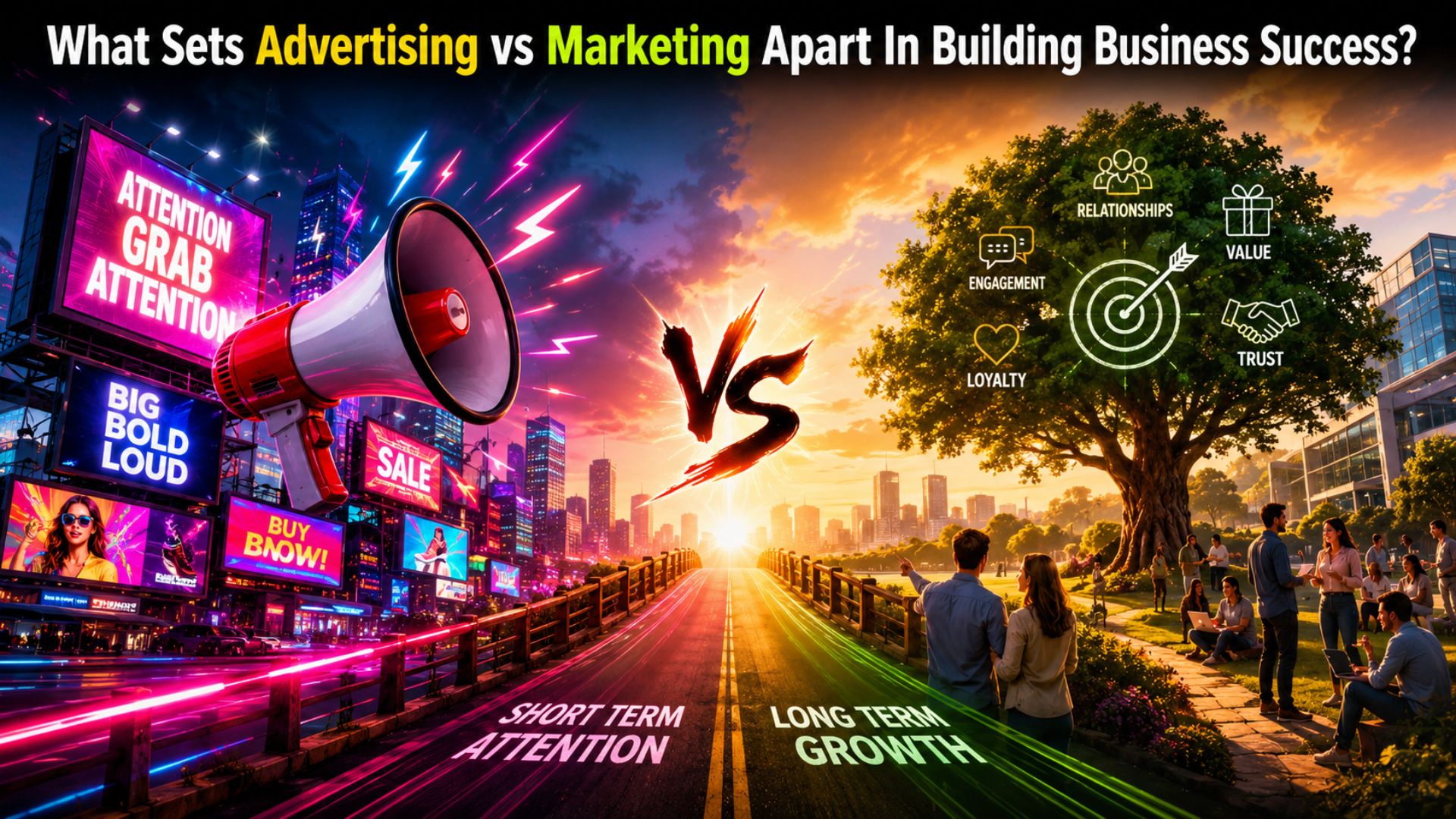
Businesses of all sizes strive to attract customers, strengthen their brand presence, and achieve sustainable growth through well-planned strategies. However, many entrepreneurs and organizations still find it challenging to distinguish between advertising vs marketing. Understanding this difference helps companies allocate resources more effectively, improve customer engagement, and make informed decisions that support long-term business success. Rather than treating them as competing concepts, businesses gain the greatest advantage when both work together toward shared objectives.
Understanding the Bigger Business Picture
Business growth depends on reaching the right audience while creating lasting value. Organizations today compete in highly dynamic environments where customers expect meaningful experiences instead of simple promotional messages.
A successful strategy begins with identifying customer needs, analyzing market trends, developing suitable products or services, and building trust over time. Promotional campaigns become more effective when they support these broader objectives rather than operating independently.
Companies that maintain consistency across customer interactions often experience stronger loyalty, improved retention, and increased referrals.
Building Strong Customer Relationships
Long-term success depends on understanding customer expectations beyond individual purchases. Every interaction shapes how audiences perceive a brand.
Businesses can strengthen relationships by:
- Providing valuable educational content
- Delivering responsive customer support
- Maintaining consistent communication
- Listening to customer feedback
- Improving products based on user experiences
These efforts encourage repeat business while increasing customer confidence in the organization.
Creating Effective Promotional Campaigns

Promotional efforts perform best when they align with clearly defined marketing goals. Instead of focusing solely on visibility, organizations should consider audience preferences, seasonal demand, purchasing behavior, and customer interests.
Successful campaigns often include:
- Clearly defined goals
- Audience segmentation
- Compelling visual assets
- Persuasive messaging
- Consistent brand identity
- Performance measurement
Careful planning increases efficiency while reducing unnecessary spending.
The Importance of Market Research
Reliable information supports better business decisions. Market research helps organizations understand customer behavior, industry trends, competitor positioning, and emerging opportunities.
Useful research methods include:
- Customer surveys
- Online reviews
- Competitor analysis
- Social media discussions
- Website analytics
- Industry reports
Businesses that regularly evaluate market data adapt more quickly to changing customer expectations.
Developing a Memorable Brand Identity
A recognizable brand extends beyond logos and colors. Customers remember organizations that consistently communicate their values, mission, and personality.
Strong brand identity includes:
- Clear messaging
- Professional visual design
- Consistent customer experience
- Reliable product quality
- Authentic communication
When customers recognize these qualities, they become more likely to recommend the business to others.
Measuring Performance for Continuous Improvement
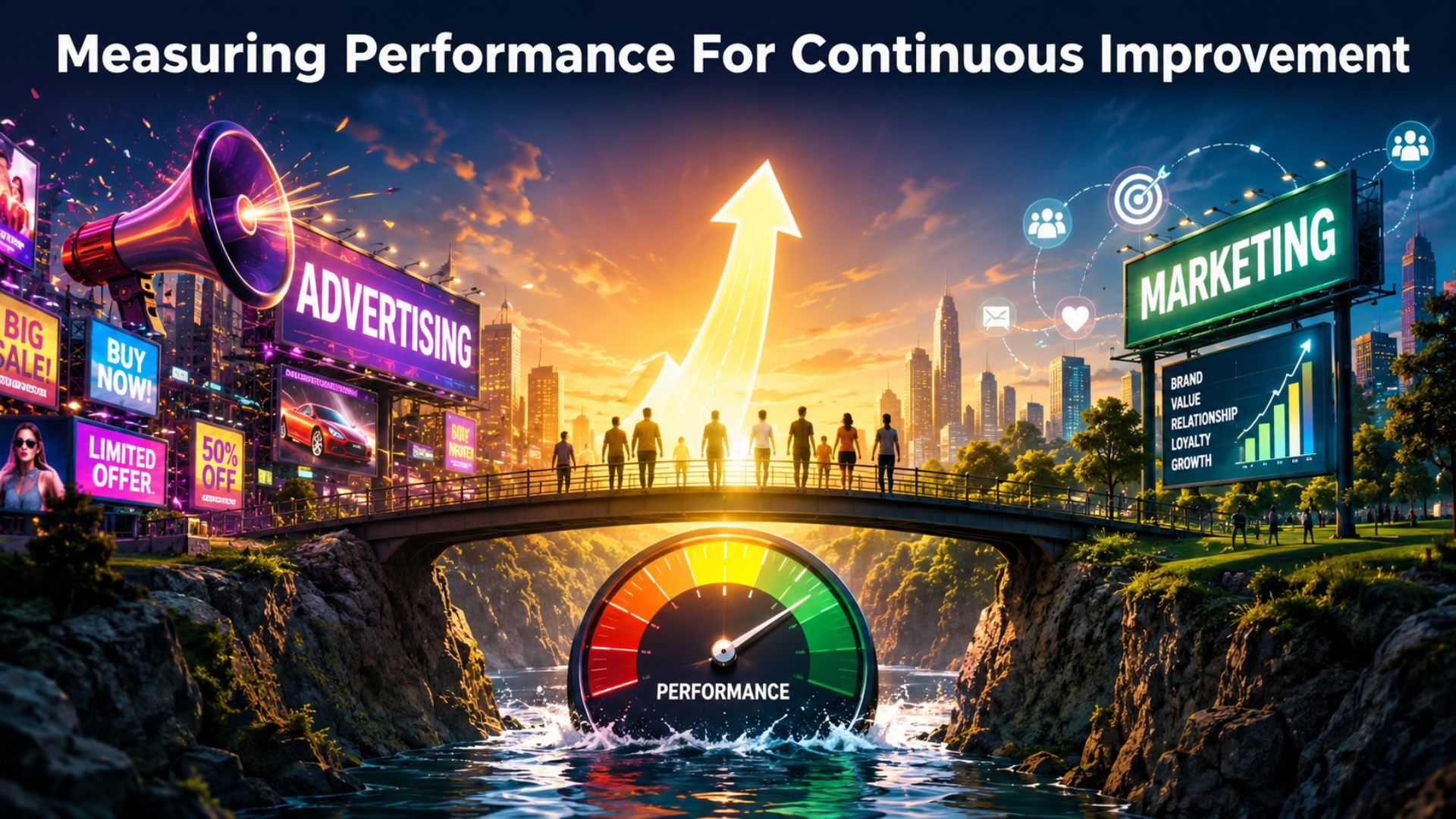
Business strategies should evolve based on measurable outcomes rather than assumptions while staying aligned with clearly defined marketing goals. Monitoring performance helps organizations identify successful initiatives while improving weaker areas.
Common performance indicators include:
- Website traffic
- Conversion rates
- Customer acquisition costs
- Customer retention
- Revenue growth
- Engagement metrics
Regular analysis enables smarter decision-making and more effective resource allocation.
Digital Channels Expand Business Opportunities
Technology provides businesses with multiple ways to connect with audiences across various platforms. Modern consumers interact with brands through websites, email, mobile applications, search engines, and online communities.
Organizations benefit from maintaining consistent messaging across every customer touchpoint. High-quality content, user-friendly websites, informative resources, and personalized communication contribute to stronger customer experiences.
Digital platforms also provide valuable performance insights, allowing businesses to refine strategies continuously.
Long-Term Growth Requires Strategic Planning
Sustainable success rarely comes from isolated campaigns. Organizations that focus on long-term planning often outperform competitors by maintaining consistency and adapting to evolving market conditions.
Effective planning typically includes:
- Defining measurable objectives
- Understanding target audiences
- Allocating realistic budgets
- Monitoring performance regularly
- Improving customer experiences
- Adjusting strategies based on results
Continuous improvement helps businesses remain competitive while supporting future expansion.
You can also watch: Revolutionize Advertising with AI-Based Ad Intelligence Tool - PowerAdSpy.

Conclusion
Ultimately, understanding advertising vs marketing allows businesses to make more informed decisions when developing growth strategies. While one emphasizes promotional communication and the other focuses on broader customer engagement and business planning, both contribute significantly to long-term success. Organizations that integrate strategic planning with effective promotion create stronger customer relationships, improve brand recognition, and position themselves for sustainable growth in an increasingly competitive marketplace.
FAQs:
1. Why is customer research important before launching campaigns?Customer research helps businesses understand audience needs, preferences, and behaviors, allowing strategies to become more relevant and effective.
2. How does branding influence business growth?A strong brand builds trust, improves recognition, encourages customer loyalty, and creates long-term competitive advantages.
3. What metrics should businesses monitor regularly?Organizations commonly track website traffic, conversion rates, customer retention, engagement, and overall revenue growth.
4. Why should businesses update their strategies regularly?Markets, technology, and customer expectations continuously evolve, making regular evaluation essential for maintaining competitiveness.
5. What contributes to sustainable business success?Clear objectives, consistent customer experiences, continuous improvement, informed decision-making, and strategic planning all support lasting growth.
