How Do Marketing Goals Shape Long-Term Business Success?

Every successful business begins with a clear sense of purpose by establishing a strong foundation for growth, informed decision-making, and consistent progress across every initiative. Marketing Goals provide that direction instead of relying on assumptions or short-term tactics. Organizations benefit from setting measurable objectives that align every campaign with broader business priorities. Whether the focus is increasing visibility, attracting qualified prospects, or strengthening customer relationships, well-defined objectives make it easier to allocate resources, monitor progress, and adapt when market conditions change.
A structured approach encourages consistency across multiple channels while helping teams understand what success truly looks like. Rather than chasing every new trend, businesses with defined objectives remain focused on meaningful outcomes that contribute to sustainable growth.
Why Clear Objectives Matter
Businesses often struggle when promotional activities lack a defined purpose. Random campaigns may generate temporary attention, but they rarely produce lasting results. Establishing a roadmap allows every initiative to contribute toward measurable achievements instead of isolated wins.
When everyone works toward shared priorities, collaboration becomes more efficient. Sales, customer support, product development, and promotional teams can coordinate their efforts, creating a consistent experience for customers throughout their journey.
Benefits of Strategic Planning
A thoughtful strategy offers numerous advantages beyond increasing visibility. It creates accountability by assigning measurable benchmarks that can be reviewed regularly. This process helps decision-makers understand which marketing ads generate the greatest value and which require improvement.
Planning also minimizes unnecessary spending. Instead of investing equally across every available platform, businesses can prioritize channels that consistently produce stronger engagement and higher returns.
Another significant benefit is adaptability. Market conditions, customer preferences, and competitive landscapes evolve continuously. Organizations with structured plans can evaluate performance quickly and make informed adjustments without disrupting their overall direction.
Building a Customer-Centered Approach
Understanding customer expectations is essential for achieving consistent results. Businesses should begin by identifying audience needs, purchasing behaviours, and common challenges. These insights make it easier to create meaningful content, improve communication, and deliver experiences that encourage long-term loyalty.
Listening to customer feedback also plays an important role. Surveys, reviews, and direct conversations provide valuable information that supports ongoing improvements. When businesses respond to changing expectations, they remain relevant in competitive industries.
Measuring Performance Effectively
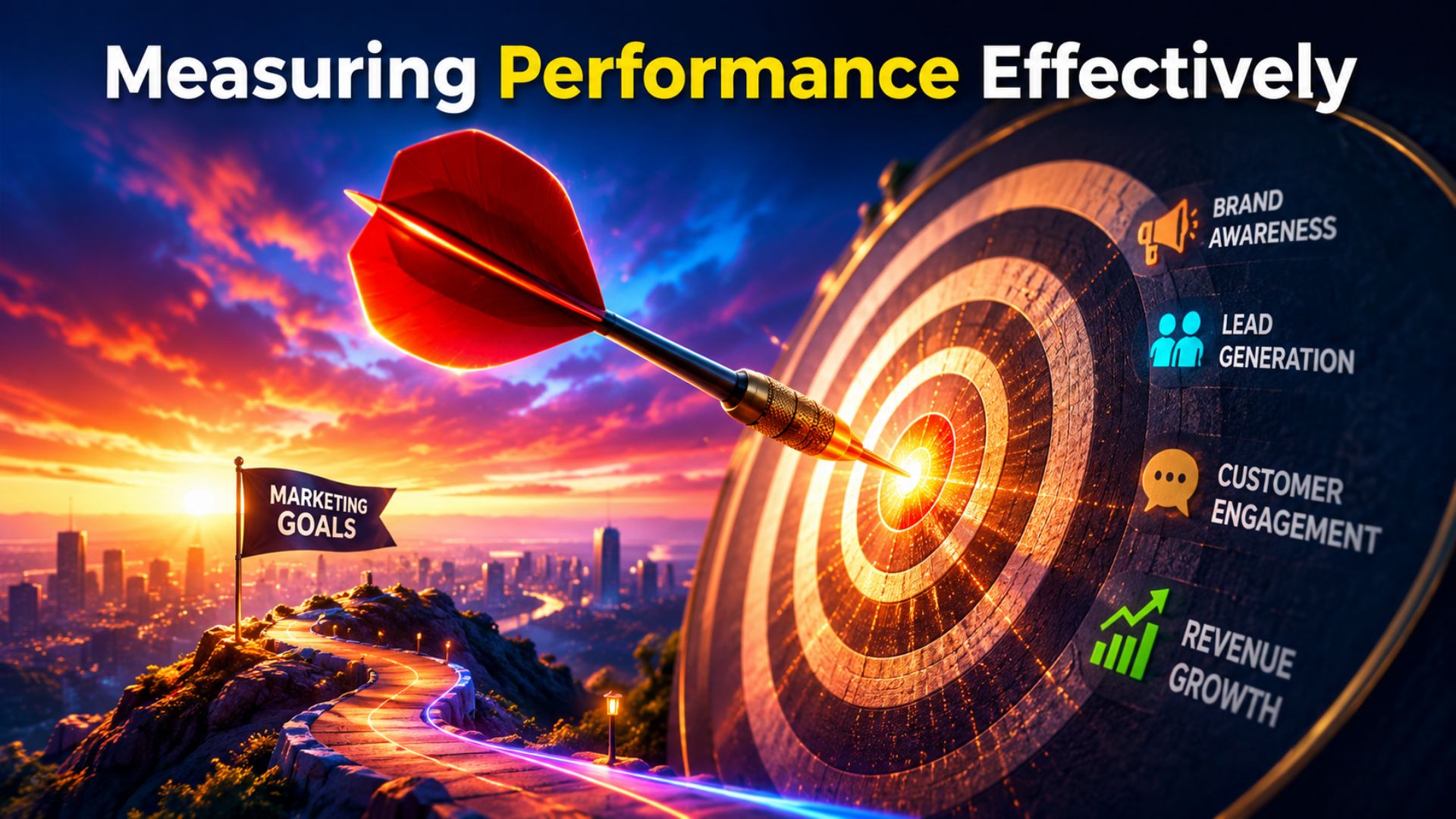
Progress should always be supported by measurable data. Tracking performance allows businesses to determine whether their digital ads are producing meaningful outcomes or simply generating activity without delivering measurable impact.
Useful performance indicators may include:
- Website traffic trends
- Conversion rates
- Customer acquisition costs
- Lead quality
- Engagement across digital platforms
- Customer retention
- Revenue growth
- Return on promotional investment
Reviewing these metrics regularly creates opportunities for continuous improvement while reducing uncertainty during future planning.
Common Challenges and Practical Solutions
Many organizations encounter obstacles while implementing structured strategies. Limited budgets, changing customer preferences, increasing competition, and evolving technology can all create uncertainty.
The most effective response is flexibility supported by reliable data. Regular reviews help identify weaknesses before they become major issues. Continuous learning, experimentation, and collaboration allow businesses to remain competitive while maintaining operational efficiency.
Another common challenge involves unrealistic expectations. Sustainable growth rarely happens overnight. Consistent effort, ongoing evaluation, and gradual optimization often deliver stronger long-term outcomes than aggressive short-term tactics.
Creating a Culture of Continuous Improvement
Organizations that embrace regular evaluation are better prepared to respond to opportunities and challenges. Reviewing campaign outcomes, customer feedback, and market developments encourages informed decision-making rather than reactive changes. Small refinements made consistently often produce stronger long-term results than occasional major adjustments.
Leaders should encourage collaboration between departments so valuable insights are shared across the business. Sales teams understand customer objections, service representatives recognize recurring concerns, and product specialists identify areas for innovation. Combining these perspectives creates a stronger foundation for future planning.
Technology can further simplify monitoring and reporting. Modern analytics platforms provide real-time information that supports faster decisions while revealing trends that might otherwise go unnoticed. Businesses that use data responsibly gain a clearer understanding of performance and can prioritize initiatives with greater confidence.
You can also watch: Revolutionize Advertising with AI-Based Ad Intelligence Tool - PowerAdSpy.

Conclusion
Businesses that invest time in defining Marketing Goals establish a stronger path toward sustainable success. Clear objectives improve focus, encourage collaboration, simplify performance measurement, and support informed decision-making. As industries continue to evolve, organizations that review their progress regularly and adapt with purpose are better positioned to build meaningful customer relationships, improve efficiency, and achieve lasting growth through consistent strategic action.
FAQs:
1. Why are clear business objectives important?
They provide direction, improve decision-making, and help measure progress more accurately.
2. How often should objectives be reviewed?
Most businesses benefit from quarterly reviews while monitoring important performance metrics continuously.
3. What makes an effective strategy successful?
A successful strategy includes measurable targets, audience understanding, regular analysis, and consistent improvement.
4. Which metrics should businesses monitor most closely?
Website traffic, conversions, customer acquisition cost, engagement, retention, and revenue are among the most valuable indicators.
5. Can small businesses benefit from structured planning?
Yes. Even modest organizations gain better focus, improved budgeting, and stronger long-term growth by following a clear strategic plan.