How Can Digital Ads Transform Business Growth In A Competitive Market?

The online marketplace continues to evolve, making it essential for businesses to adopt marketing strategies that deliver measurable outcomes. Digital ads provide brands with an opportunity to reach audiences based on interests, demographics, online behaviour, and purchasing intent. Unlike traditional advertising, modern online campaigns offer detailed performance tracking, allowing marketers to refine strategies and maximize returns. Whether a company wants to increase website traffic, generate qualified leads, or improve product awareness, data-driven advertising helps achieve these objectives with greater precision. As consumer habits continue shifting toward digital channels, businesses that invest in well-planned campaigns are better positioned to compete and grow in today's fast-changing environment.
Understanding Modern Online Advertising
Online advertising combines creativity with technology to deliver promotional messages across search engines, social media platforms, websites, mobile applications, and streaming services. Businesses can create campaigns that align with customer interests while monitoring performance in real time.
This flexibility allows marketers to experiment with different campaign formats, creative designs, audience segments, and messaging strategies to discover what delivers the best results.
Why Businesses Choose Online Marketing
Companies increasingly prefer online campaigns because they provide greater control over advertising budgets and targeting options. Instead of relying on broad exposure, businesses can focus on reaching potential customers who are more likely to engage with their products or services.
Some major advantages include:
- Precise audience targeting
- Flexible campaign budgets
- Real-time performance tracking
- Faster campaign optimization
- Improved customer engagement
- Better return on marketing investment
These advantages help businesses improve efficiency while reducing unnecessary advertising expenses.
Building Campaigns That Deliver Results

Successful campaigns begin with clearly defined objectives. Some organizations prioritize lead generation, while others focus on website visits, sales conversions, or brand awareness. Many marketers also see competitor ads to understand creative trends, messaging styles, audience engagement, and campaign strategies before developing their own promotions.
A structured campaign usually includes:
- Clear business goals
- Audience research
- High-quality visuals
- Compelling ad copy
- Strong call-to-action
- Optimized landing pages
When these elements work together, campaigns become more effective at converting interested visitors into loyal customers.
The Importance of Audience Targeting
Understanding customer behavior plays a significant role in campaign success. Marketers analyze demographic information, interests, purchasing habits, browsing activity, and device preferences before launching advertisements.
Advanced targeting allows businesses to personalize promotional content for different customer segments, making messages more relevant and increasing the likelihood of engagement.
Personalized marketing experiences often produce stronger relationships between brands and consumers.
Creative Content Drives Better Engagement
Even the most advanced targeting cannot compensate for weak creative assets. Successful campaigns combine attractive visuals, concise messaging, and persuasive calls to action that encourage user engagement.
Businesses should regularly refresh creative materials to prevent audience fatigue. Testing multiple versions of headlines, images, colors, and messaging helps identify the combinations that generate the strongest performance.Consistent branding across campaigns also strengthens customer recognition and trust.
Measuring Campaign Performance
One of the greatest strengths of online advertising is access to detailed performance metrics. Businesses can monitor campaign effectiveness using data rather than assumptions.
Common performance indicators include:
- Impressions
- Click-through rates
- Conversion rates
- Cost per acquisition
- Customer lifetime value
- Return on investment
Continuous monitoring enables marketers to pause underperforming campaigns, allocate budgets more effectively, and improve future advertising decisions.
Common Challenges Businesses Face
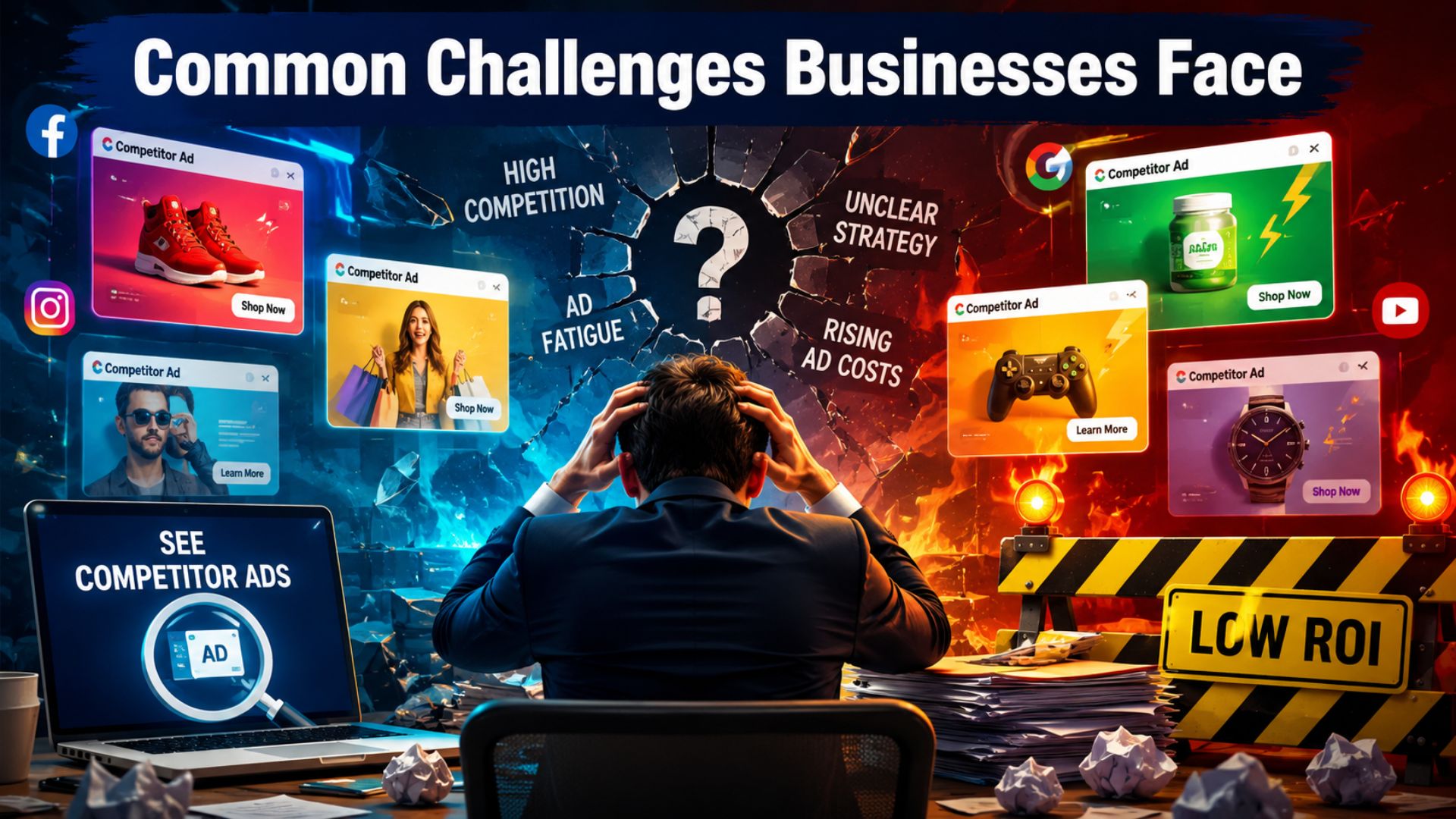
Although online marketing offers significant opportunities, businesses still encounter several challenges while managing a digital marketing campaign.
- Selecting appropriate advertising platforms
- Managing limited budgets
- Creating engaging content
- Understanding campaign analytics
- Adapting to changing algorithms
- Maintaining consistent optimization
Addressing these challenges requires ongoing learning, regular testing, and careful performance analysis.
Best Practices for Long-Term Success
Businesses seeking sustainable growth should focus on continuous improvement instead of expecting immediate perfection.
Effective long-term strategies include:
- Defining measurable objectives
- Testing multiple campaign variations
- Improving landing page experiences
- Reviewing analytics consistently
- Updating creative assets frequently
- Refining audience segmentation
- Investing in quality content
Organizations that embrace ongoing optimization typically experience stronger campaign performance over time.
Future Trends in Online Advertising
Emerging technologies continue reshaping digital marketing. Artificial intelligence, predictive analytics, automation, privacy-focused targeting, voice search, and immersive shopping experiences are changing how businesses connect with consumers.Marketers who remain adaptable and embrace innovation will be better equipped to meet evolving customer expectations while maintaining competitive advantages.
You can also watch: Revolutionize Advertising with AI-Based Ad Intelligence Tool - PowerAdSpy.

Conclusion
Businesses that embrace digital ads as part of a well-planned marketing strategy gain valuable opportunities to increase visibility, attract qualified audiences, and improve measurable business outcomes. By combining audience research, compelling creative content, continuous optimization, and data-driven decision-making, organizations can create campaigns that remain effective in an increasingly competitive digital environment. Long-term success comes from adapting to changing consumer behavior, consistently evaluating performance, and refining strategies that support sustainable business growth.
FAQs:
1. Why is audience targeting important in online advertising?
It helps businesses reach users who are most likely to engage with their products or services.
2. How can businesses improve campaign performance?
Regular testing, performance analysis, and creative optimization help improve results over time.
3. Which metrics should marketers monitor?
Important metrics include impressions, click-through rates, conversions, acquisition costs, and return on investment.
4. Are online advertising campaigns suitable for small businesses?
Yes. Flexible budgeting options make them accessible for businesses of all sizes.
